TL;DR
The best AI for writing cover letters includes tools like InterviewPal, Grammarly, and Kickresume. These platforms excel by analyzing a specific job description against your resume to create a personalized and relevant first draft. The key to success is using these tools as a starting point, then heavily editing the output to add your unique voice and specific accomplishments.
Top AI Cover Letter Generators Ranked and Reviewed
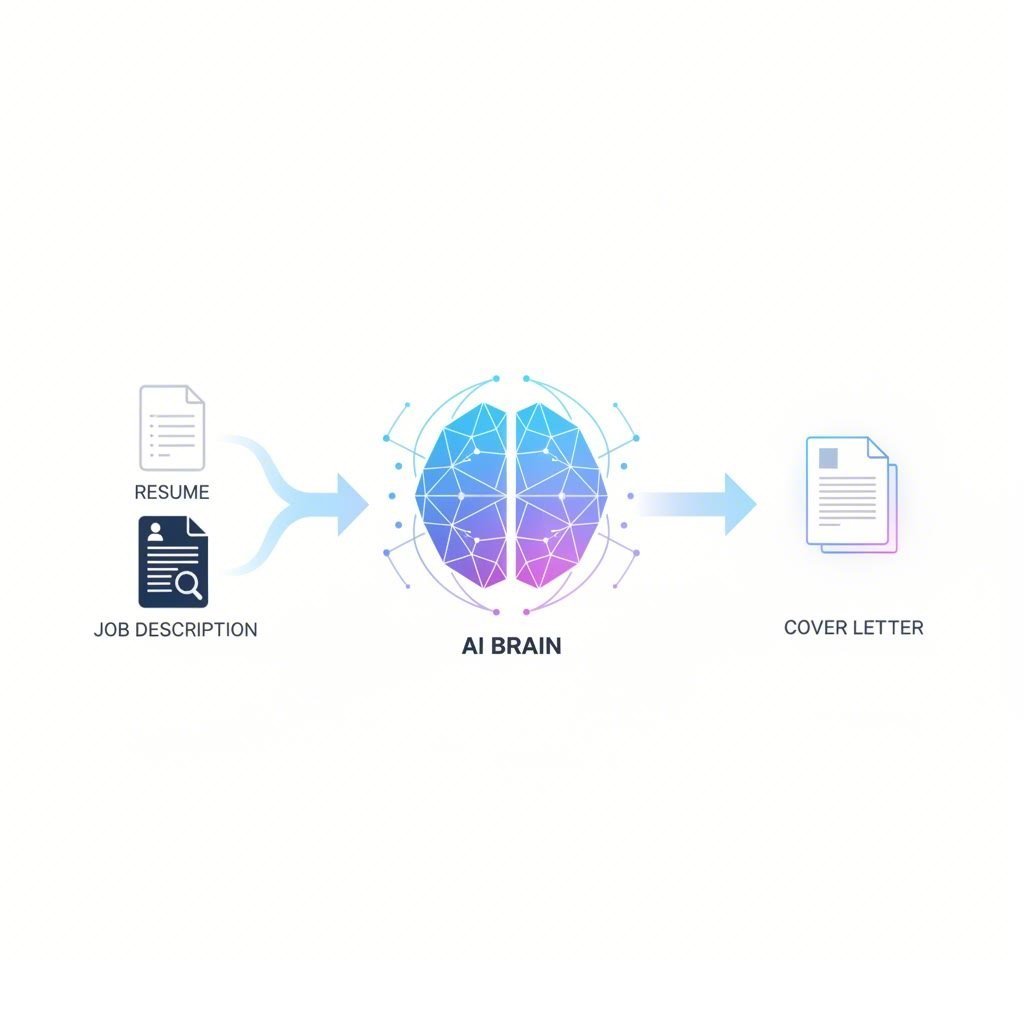
An AI cover letter generator is a tool designed to streamline the job application process by creating a tailored letter in seconds. Unlike basic templates, the most effective generators use artificial intelligence to analyze the role's requirements and your qualifications, producing a relevant draft that helps you stand out. They are designed to overcome writer's block and help you apply to more jobs efficiently.
However, not all generators are created equal. The best tools offer a high degree of personalization, natural-sounding language, and options for customization. They act as a powerful assistant, providing a solid foundation that you can then infuse with your personal stories and achievements. Below is a comparison of some of the leading options available to job seekers.
| Tool | Key Feature | Free Tier Limit | Best For |
|---|---|---|---|
| InterviewPal | Analyzes job description and resume for a personalized match; large template library | 3 generations per day | Overall personalization and career-specific templates |
| Resume Worded | 'Score My Cover Letter' function provides actionable feedback | 3 letters per month | Detailed feedback and ATS optimization |
| Kickresume | GPT-4 powered engine for natural language output | 2 letters total | Seamless resume and cover letter integration |
| Grammarly | Strong focus on grammar, tone, and clarity | Unlimited (general writing) | Ensuring a polished, professional, and error-free final draft |
| Zety | Guided, step-by-step builder for more user control | Free to create (pay to download) | Beginners who need help structuring a letter |
| ChatGPT | Maximum flexibility with custom prompts | Unlimited | Custom situations and users comfortable with prompt engineering |
While tools like InterviewPal stand out for their deep analysis, others like Grammarly excel at refining your final draft to perfection. Platforms such as Cover Letter Copilot emphasize speed, claiming to generate letters in under a minute. The ideal choice depends on your specific needs—whether you prioritize in-depth personalization, grammatical precision, or rapid generation.
How to Use AI for Your Cover Letter (Without Sounding Robotic)
The greatest risk of using AI for a cover letter is producing a generic document that fails to impress a hiring manager. Experts from institutions like USC and Washington State University agree: AI should be your assistant, not your replacement. A cover letter that lacks a human touch can signal a lack of genuine interest in the role. The goal is to combine AI's efficiency with your unique, authentic voice.
Start by using the AI as a research tool. Instead of asking it to simply write a letter, provide it with specific prompts to deconstruct the job description. According to an article from Washington State University, effective prompts can help you identify key skills and align your experience. For example, you could ask: "Here's my resume and a job description. What are my top strengths to highlight for this role?" This approach turns the AI into a brainstorming partner.
Once you have a first draft, the real work begins. The most critical step is personalization. An AI can't share your passion for the industry or a specific anecdote about a project you led. Review every line of the AI-generated text and look for opportunities to inject your personality and specific achievements. As recommended in a piece by USC Online, you should emphasize your best accomplishments and add quantifiable results—using numbers, percentages, and concrete examples that an AI wouldn't know.
Follow this simple, four-step process for the best results:
- Analyze and Brainstorm: Use the AI to analyze the job description for keywords and summarize the core functions of the role.
- Generate the Draft: Ask the AI to create a first draft based on your resume and the job analysis.
- Personalize and Edit Heavily: Replace generic phrases with personal stories, specific achievements, and quantifiable results. This is the most important step to make the letter truly yours.
- Polish and Proofread: Use a tool like Grammarly for a final check on spelling, grammar, and tone to ensure the document is professional and error-free.
This strategic approach to AI is becoming common across many fields. For instance, sophisticated tools are transforming how professionals create specialized content. While job seekers use AI for cover letters, content marketers are using platforms like BlogSpark's advanced AI blog writer to scale article production, showing how specialized AI can serve as a powerful assistant in any industry.
The Risks: Can Employers Tell You Used AI?
A primary concern for many job seekers is whether a hiring manager can detect the use of AI. The short answer is yes, they often can. Generic, impersonal, or overly polished language can be a red flag. According to TopResume, some hiring managers claim they can spot an AI-written resume or cover letter in seconds. If the letter feels disconnected from your resume or lacks genuine enthusiasm, it may be dismissed as a low-effort application.
The risk isn't just about detection; it's about the impression you make. A cover letter is a chance to show your communication skills and your genuine interest in the company. Submitting a purely AI-generated letter can suggest you didn't care enough to write it yourself. However, when used correctly, the benefits can outweigh the risks. Here’s a breakdown of the pros and cons.
Pros
- Speed and Efficiency: AI generators dramatically reduce the time it takes to write a cover letter, allowing you to apply for more positions.
- Overcomes Writer's Block: They provide a solid starting point when you're struggling with what to write.
- Keyword Optimization: Many tools can help you incorporate relevant keywords from the job description, which can be helpful for passing through Applicant Tracking Systems (ATS).
- Idea Generation: AI can help you brainstorm different angles or ways to frame your experience.
Cons
- Generic and Impersonal Tone: Without heavy editing, AI-generated content can sound robotic and lack personality.
- Risk of Inaccuracies: The AI might misinterpret your experience or the job description, leading to factual errors.
- Detection by Employers: A generic letter can be easily spotted by experienced recruiters, potentially harming your application.
- Misses Nuance: AI cannot convey your unique passion, connect with the company's culture, or share compelling personal stories.
The expert consensus is clear: use AI as a tool to build a strong foundation, but always ensure the final product is a reflection of you. By adding your personal touch, you mitigate the risks and harness the power of AI to create a compelling application that stands out for the right reasons.
Frequently Asked Questions
1. Do employers know if I used AI for my cover letter or resume?
Yes, employers can often tell if a cover letter or resume was written entirely by AI. Telltale signs include a generic tone, overly formal language, a lack of specific examples, and a disconnect from the applicant's unique voice. Hiring managers look for authenticity and genuine interest, which are often missing in unedited AI-generated content. To avoid this, always personalize the draft with your own achievements and personality.