

TL;DR
A free headline analyzer is an essential online tool that scores your headlines on critical factors like SEO, word balance, readability, and emotional impact. Using one helps you craft powerful, irresistible titles for articles, emails, and social media posts that attract significantly more clicks, shares, and traffic. The best tools provide actionable feedback to turn a good headline into a great one.
What Makes a Great Headline Analyzer? Key Features to Look For
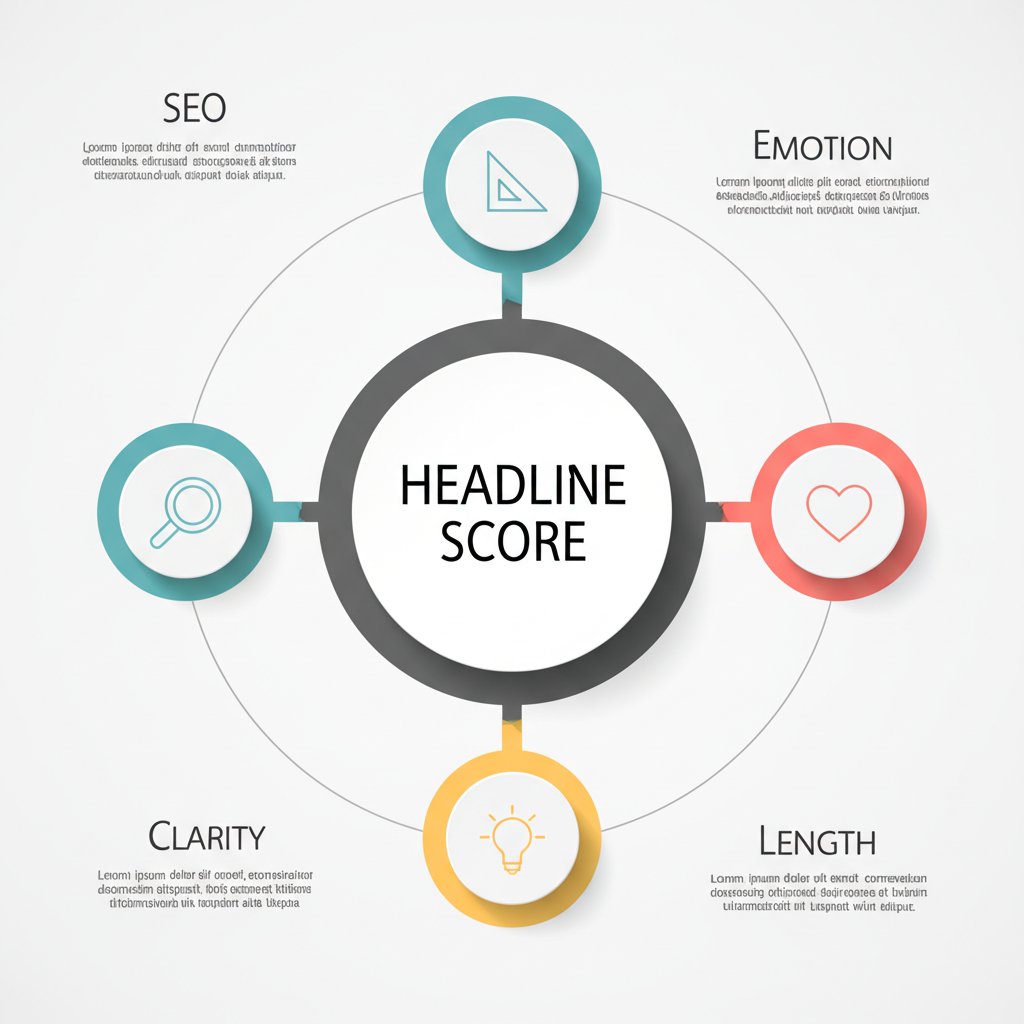
Choosing the right free headline analyzer can feel overwhelming, but understanding the core features that deliver real value makes the decision much simpler. A top-tier tool does more than just assign a score; it provides a detailed diagnostic to help you improve. It empowers you to move beyond guesswork and apply data-driven insights to your copywriting process. By focusing on these key components, you can ensure the tool you select is genuinely helping you connect with your audience and rank better in search results.
These tools evaluate your headline against proven principles of engagement and optimization. For instance, the balance of different word types can dramatically alter how a reader perceives your title. Similarly, a headline that is clear and easy to read will almost always outperform one that is confusing or complex. Sentiment analysis ensures your headline's tone matches your content's intent, preventing a mismatch that could turn readers away. Ultimately, these features work together to give you a holistic view of your headline's potential for success.
Here are the essential features to look for in a free headline analyzer:
- Overall Score: A single, easy-to-understand metric that gives you a quick assessment of your headline's quality. Many tools, like those from MonsterInsights and AIOSEO, suggest aiming for a score of 70 or higher for the best results.
- Word Balance: This feature analyzes the mix of word types in your headline. It typically breaks them down into four categories: common, uncommon, emotional, and power words. A good balance is crucial for creating a title that is both relatable and impactful.
- SEO Score & Keyword Analysis: A critical component that assesses how well your headline is optimized for search engines. It looks at keyword placement and relevance to help you rank higher. Some tools also check your headline against competitor rankings.
- Readability & Clarity: This metric evaluates how easy your headline is to understand. Tools like Sharethrough's analyzer focus on clarity to ensure your message is conveyed without ambiguity, which is vital for capturing attention quickly.
- Sentiment Analysis: Determines if your headline projects a positive, negative, or neutral tone. This helps you align the headline's emotional feel with the goal of your content, whether it's to inspire, warn, or inform.
- Length Analysis (Character & Word Count): Search engines like Google typically truncate headlines after 50-60 characters. A good analyzer will warn you if your title is too long, ensuring your full message is visible in search results.
The Top Free Headline Analyzers Reviewed
With so many options available, finding the best free headline analyzer depends on your specific needs. Some are built for quick SEO checks, while others offer deep, multi-faceted analysis for content creators. To help you choose, we've reviewed and compared some of the top contenders based on their features, usability, and the value they provide. The following tools represent the best in the industry, each with unique strengths that cater to different types of users, from bloggers and marketers to social media managers.
Below is a comparison table to give you a quick overview of our top picks. Following the table, you'll find a more detailed breakdown of each tool, including its pros, cons, and who it's best suited for. This will help you make an informed decision and select the analyzer that will best serve your content strategy and help you achieve your traffic goals.
| Tool | Key Strength | SEO Analysis | Word Balance | Free Tier Limit |
|---|---|---|---|---|
| CoSchedule Headline Studio | In-depth, feature-rich analysis | Yes (SEO Score) | Yes | 10 credits per month |
| AIOSEO Headline Analyzer | Clear targets and word banks | Yes (Google Preview) | Yes | Unlimited |
| MonsterInsights Headline Analyzer | Extensive word banks | Yes | Yes | Unlimited |
| IsItWP Headline Analyzer | Simple, clean interface | Basic | Yes | Unlimited |
| Sharethrough Headline Analyzer | Focus on engagement & context | No | No (focuses on other metrics) | Unlimited |
1. CoSchedule Headline Studio
CoSchedule's Headline Studio is widely regarded as one of the most comprehensive analyzers available. It provides a detailed breakdown of your headline's score, analyzing word balance, sentiment, clarity, and skimmability. It also offers an SEO score and suggestions for improvement.
Pros
- Extremely detailed analysis with specific, actionable feedback.
- Includes an SEO score and competitor analysis.
- Saves your history so you can track improvements.
Cons
- The free version is very limited, offering only 10 credits per month.
- The interface can feel a bit busy for new users.
Best for: Occasional users and content creators who need a deep, feature-rich analysis for a few critical pieces of content each month.
2. AIOSEO Headline Analyzer
The All in One SEO (AIOSEO) analyzer is a straightforward and powerful tool that provides a clear overall score and helpful feedback. It excels at offering extensive word banks for power, emotional, and uncommon words, making it easy to find replacements to boost your score.
Pros
- Provides clear target ranges for different metrics, which is very helpful.
- Includes a Google Search preview to see how your headline will appear.
- No limits on the number of analyses in the free version.
Cons
- The analysis is slightly less detailed than CoSchedule's premium offering.
Best for: Bloggers and marketers who want a reliable, easy-to-use tool for daily use without worrying about limits.
3. MonsterInsights Headline Analyzer
Similar to AIOSEO, the MonsterInsights tool is simple, effective, and completely free. It gives you an overall score from 1-100 and provides feedback on word balance, sentiment, and length. Its standout feature is the massive, built-in word banks that help you quickly find emotional and power words to improve your title.
Pros
- Excellent, easy-to-access word banks to inspire better word choices.
- Clean, intuitive interface that is easy to understand.
- Completely free with no usage restrictions.
Cons
- The analysis focuses primarily on word choice and is less comprehensive on structural SEO.
Best for: Writers who need a quick gut-check and inspiration for more compelling word choices to make their headlines more engaging.
How to Use a Headline Analyzer to Write Better Titles
A headline analyzer is a powerful instrument for refining your titles, but it works best as part of a creative process, not as a replacement for it. The goal isn't just to achieve a high score; it's to craft a headline that resonates with your human audience while also satisfying search engine algorithms. Effective use involves a cycle of brainstorming, testing, and iterating. This methodical approach helps you move from a rough idea to a polished, high-performing headline that drives results.
To streamline the initial phase of this process, many creators are turning to advanced tools. For instance, when you need to generate a full draft or outline quickly, an AI blog post generator like BlogSpark can transform a simple idea into an SEO-optimized article in moments. Once you have this foundation, you can then use a headline analyzer to perfect the most critical element: the title. This combination of AI-driven drafting and data-backed analysis creates an efficient and highly effective content workflow.
Follow these steps to integrate a headline analyzer into your writing workflow effectively:
- Brainstorm 3-5 Headline Variations: Don't settle on your first idea. Write several different headlines for your content. Try different angles—ask a question, use a number, or make a bold statement.
- Enter Each Headline into the Analyzer: Test each of your variations to get a baseline score. This will quickly show you which concepts are strongest from the start.
- Analyze the Specific Feedback: Don't just look at the overall score. Pay close attention to the detailed feedback. Does your headline need more emotional words? Is it too long for Google? Is the sentiment right for your topic?
- Iterate and Improve: Use the tool's suggestions and word banks to tweak your best-performing headlines. Swap out weak words for power words. Adjust the length. Rephrase for clarity.
- Retest Until You Achieve a High Score: Continue refining your headline and re-analyzing it until you hit a score of 70 or higher. This ensures your headline is well-optimized for both readers and search engines.
For example, a starting headline like "New Tips for Marketing" (Score: 35) could be improved to "7 Essential Marketing Tips to Grow Your Business" (Score: 72) by adding a number, power words, and a clear benefit.
Frequently Asked Questions
1. What is a good headline score?
Most headline analyzer tools, including those from MonsterInsights and AIOSEO, suggest that a good score is between 40 and 60. However, for the best results in terms of clicks and engagement, you should strive to achieve a score of 70 or above. Headlines in this range typically have a strong balance of clarity, emotional impact, and SEO-friendly elements.
2. Can a headline analyzer guarantee more traffic?
While a headline analyzer cannot guarantee more traffic, it significantly increases your chances of attracting it. By helping you optimize your headline for proven engagement factors like emotional words, power words, and ideal length, these tools help you create titles that are more likely to be clicked on in search results and shared on social media. A great headline is the first and most critical step in earning a reader's attention.
3. How do headline analyzers work?
Headline analyzers use algorithms to deconstruct your headline and score it based on a variety of data-driven factors. They typically analyze the headline's structure, length (word and character count), word balance (common, uncommon, emotional, and power words), and sentiment (positive, negative, or neutral). They compare these elements against models of successful headlines to predict their effectiveness and provide actionable suggestions for improvement.