

TL;DR
Optimizing for featured snippets means structuring your content to directly answer a user's question in a concise format that Google can easily extract. These snippets appear at the top of search results in "Position Zero." The key is to use clear headings for questions, provide direct answers of 40-60 words immediately after, and use formats like lists and tables to match the searcher's intent.
What Are Featured Snippets and Why Do They Matter?
Featured snippets are special boxes that appear at the very top of Google's search results, even above the traditional number one ranking. Because of this prime placement, many SEO professionals refer to it as "Position Zero." Google's systems automatically pull content from web pages to create these snippets, aiming to provide a quick, direct answer to a user's query. Securing this spot can significantly boost your website's visibility and organic traffic.
The primary benefit of earning a featured snippet is the impact on your click-through rate (CTR). According to a Search Engine Land article, featured snippets can capture approximately 8% of all clicks for a given query. This means you can steal traffic from competitors without necessarily outranking them in the standard results. Furthermore, being selected by Google signals that your content is authoritative and trustworthy, which helps build your brand's reputation with users.
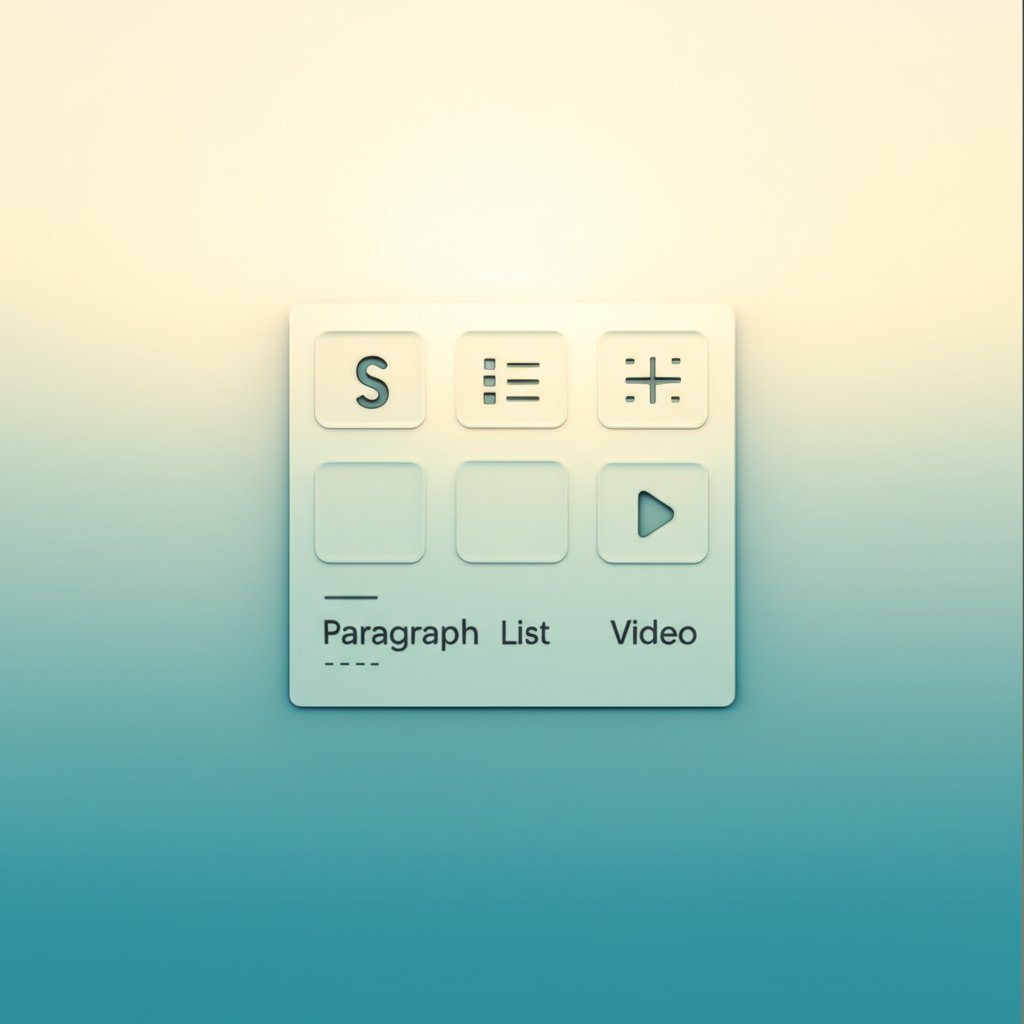
There are four main types of featured snippets you will encounter, and understanding them is the first step to effective optimization.
- Paragraph Snippets: The most common type, these are short excerpts of text, typically 40-60 words, that provide a direct definition or explanation. They often appear for "what is" type questions.
- List Snippets: These can be ordered (numbered) for step-by-step instructions or unordered (bulleted) for lists of items. Google often pulls these from a page's headings (H2, H3) or actual list HTML (
<ol>,<ul>). - Table Snippets: Google extracts data from a table on a webpage to display information in a structured format. This is common for comparisons, pricing, and data-heavy queries.
- Video Snippets: For "how-to" queries, Google may feature a video, often highlighting the specific timestamp that answers the user's question.
It's also important to distinguish featured snippets from AI Overviews. While both provide direct answers, featured snippets pull an excerpt from a single source. In contrast, AI Overviews are generated by AI and synthesize information from multiple sources. Although AI Overviews are becoming more common, featured snippets remain a valuable and highly visible SERP feature to target.
Core Strategies for Featured Snippet Optimization
The fundamental principle of optimizing for featured snippets is to directly and concisely answer questions your audience is asking. This begins with identifying opportunities. Focus on long-tail keywords—longer, more specific search queries—as they are far more likely to trigger a featured snippet. You can find these questions in the "People Also Ask" boxes on Google or by using keyword research tools.
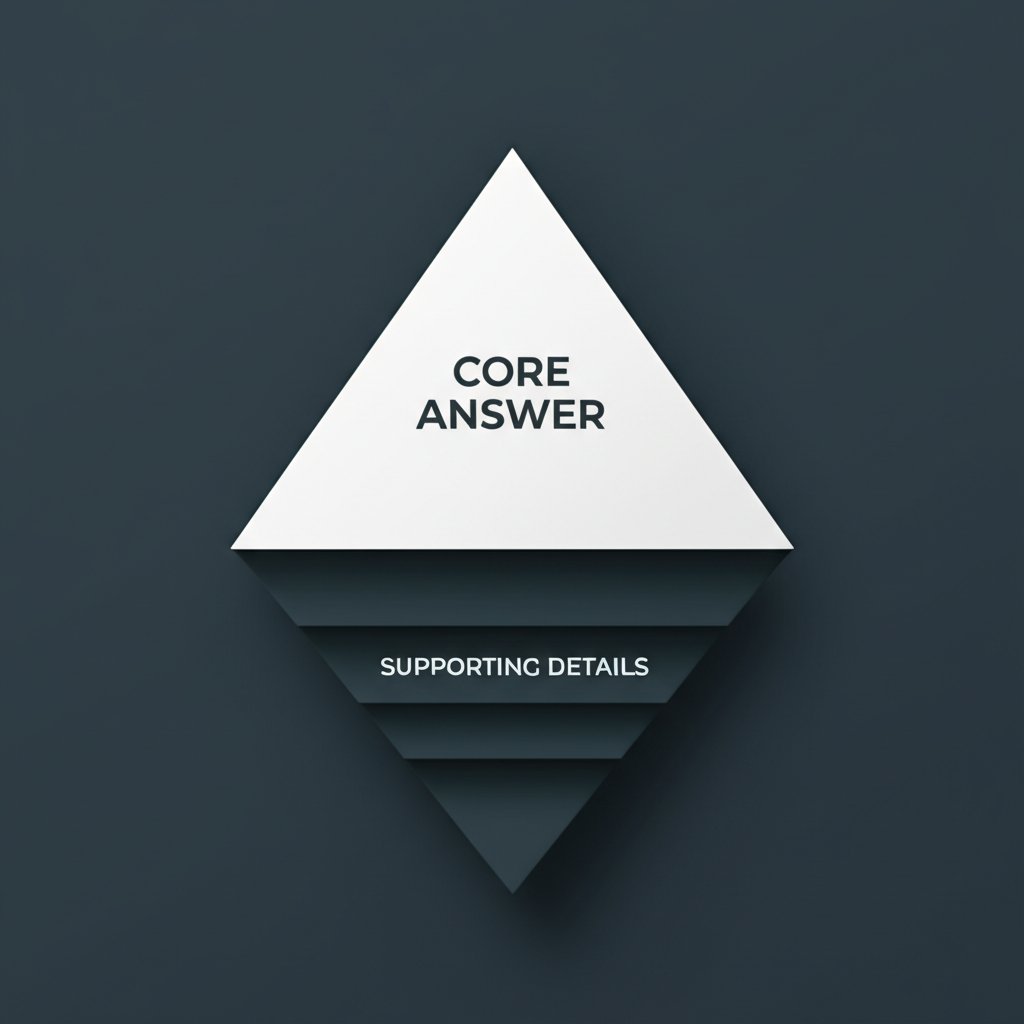
Once you have your target question, structure your content using the "inverted pyramid" method: provide the most important information first. A highly effective tactic is to create a heading (like an H2 or H3) that is the exact question, such as "What is On-Page SEO?". Immediately following this heading, write a clean, direct answer in a single paragraph of 40-60 words. This paragraph should start with a clear definition, for instance, "On-Page SEO is the practice of..." This structure makes it incredibly easy for Google's systems to identify and extract your answer.
When crafting your answer, maintain an objective, factual tone. Avoid using first-person language ("we think," "in our opinion") or including your brand name, as this can make the content ineligible. Remember, Google often uses this text for voice search replies, so the answer must sound natural and universally applicable when read aloud. The goal is to create a dictionary-like definition that is helpful to any user, regardless of how they found it.
For marketers and content creators looking to streamline this process, AI-powered tools can be invaluable. For instance, platforms are emerging that help with everything from keyword discovery to generating structured, SEO-optimized articles. Marketers and creators can revolutionize their content workflow with BlogSpark, an AI blog post generator that transforms ideas into engaging articles. It can help you quickly create the kind of well-organized content with clear headings and direct answers that Google loves for featured snippets, scaling your output efficiently.
Finally, prioritize optimizing pages that already rank in the top 5-10 positions. According to an Ahrefs study cited by Backlinko, 99% of featured snippets come from pages already on the first page of Google. If your page is already ranking well, it has the authority Google is looking for, and making these structural optimizations gives you the best chance of capturing that coveted Position Zero.
Formatting for Specific Snippet Types: Lists and Tables
While a direct paragraph answer works for many queries, some intents are better served by lists or tables. To win these types of featured snippets, you must match the format the user is looking for. If the current snippet for your target keyword is a list, you need to structure your content as a list. If it's a table, you need a table. This alignment is critical.
For list snippets, especially numbered lists for processes or steps, structure is key. Use clear, sequential headings for each item. For example, you can use H2 or H3 tags for each step, like "Step 1: Keyword Research," "Step 2: Content Creation," and so on. Google is adept at scraping these headings to compile a list snippet. Alternatively, you can use standard HTML ordered (<ol>) or unordered (<ul>) list tags. Consistency in formatting is vital; ensure each item in your list follows the same pattern.
To optimize for table snippets, you must include a well-formatted HTML table in your content. Google typically does not create a table from unstructured text; it pulls data directly from an existing <table> element. Make sure your table is clean, easy to read, and properly coded. Use header tags (<th>) for your columns to provide context. A simple, clean HTML structure is more effective than a complex one.
Here is a simple example of HTML for a data table that Google can easily parse:
<table>
  <tr>
    <th>Feature</th>
    <th>Plan A</th>
    <th>Plan B</th>
  </tr>
  <tr>
    <td>Storage</td>
    <td>10 GB</td>
    <td>50 GB</td>
  </tr>
  <tr>
    <td>Users</td>
    <td>1</td>
    <td>5</td>
  </tr>
</table>
By providing data in these structured formats, you not only make your content more scannable and user-friendly, but you also give Google the exact code it needs to generate these valuable snippet types, increasing your chances of being featured.
Advanced Tactics and Technical Controls
Beyond foundational content structuring, several advanced tactics can improve your odds of earning a featured snippet. One of the most effective strategies is to find snippet opportunities for keywords where you already rank on the first page. Use an SEO tool to filter for keywords that trigger a featured snippet and for which your site ranks in the top five positions. These pages have already earned Google's trust, making them prime candidates for promotion to Position Zero with a few content tweaks.
Another powerful technique is to build out a mini-FAQ section within your articles. By answering several related long-tail questions on a single page, you can scale your efforts and potentially capture dozens of different featured snippets with one piece of content. The "People Also Ask" section in Google search results is an excellent source for discovering these related questions that users are actively searching for.
While you cannot directly mark your page to become a featured snippet, Google does provide technical controls to opt out. If for some reason you do not want your content to appear in snippets, you can use the nosnippet meta tag in your page's HTML. This will prevent Google from showing any snippet (both featured and regular) for that page. If you only want to block featured snippets but keep regular snippets, you can use the max-snippet:[number] tag. By setting a low character count, you make it less likely Google will find enough text to create a useful featured snippet. However, the only guaranteed method to opt-out entirely is using the nosnippet tag.
Finally, it's important to understand that optimization is an iterative process. If your initial changes don't win the snippet, don't give up. Revisit your content, look for ways to make your definitions more concise, rephrase your answer, or add more must-know facts. Often, minor adjustments to the language or structure can be the final push needed to secure the featured snippet.
Frequently Asked Questions About Featured Snippets
1. Can I control my featured snippet?
No, you cannot directly control or mark your page to be chosen for a featured snippet. According to Google's official documentation, its automated systems determine if a page is a good fit for a user's query and elevate it accordingly. However, you can heavily influence the outcome by following optimization best practices and providing clearly structured answers.
2. Are featured snippets good for SEO?
Yes, featured snippets are highly beneficial for SEO. They place your website in the most visible position on the search results page ("Position Zero"), which can significantly increase organic traffic and click-through rates. Earning a snippet also enhances your brand's perceived authority and trustworthiness on a topic.
3. How do I optimize for rich snippets?
Optimizing for rich snippets is different from optimizing for featured snippets. Rich snippets are enhanced search results that show extra visual information, such as star ratings for reviews, cooking times for recipes, or prices for products. To get them, you need to add structured data (like Schema.org markup) to your website's HTML. This code helps Google understand the specific type of content on your page and display it with these enhancements in the search results.